Working Out but Not Seeing Results? Why 3 Days a Week Could Change Everything
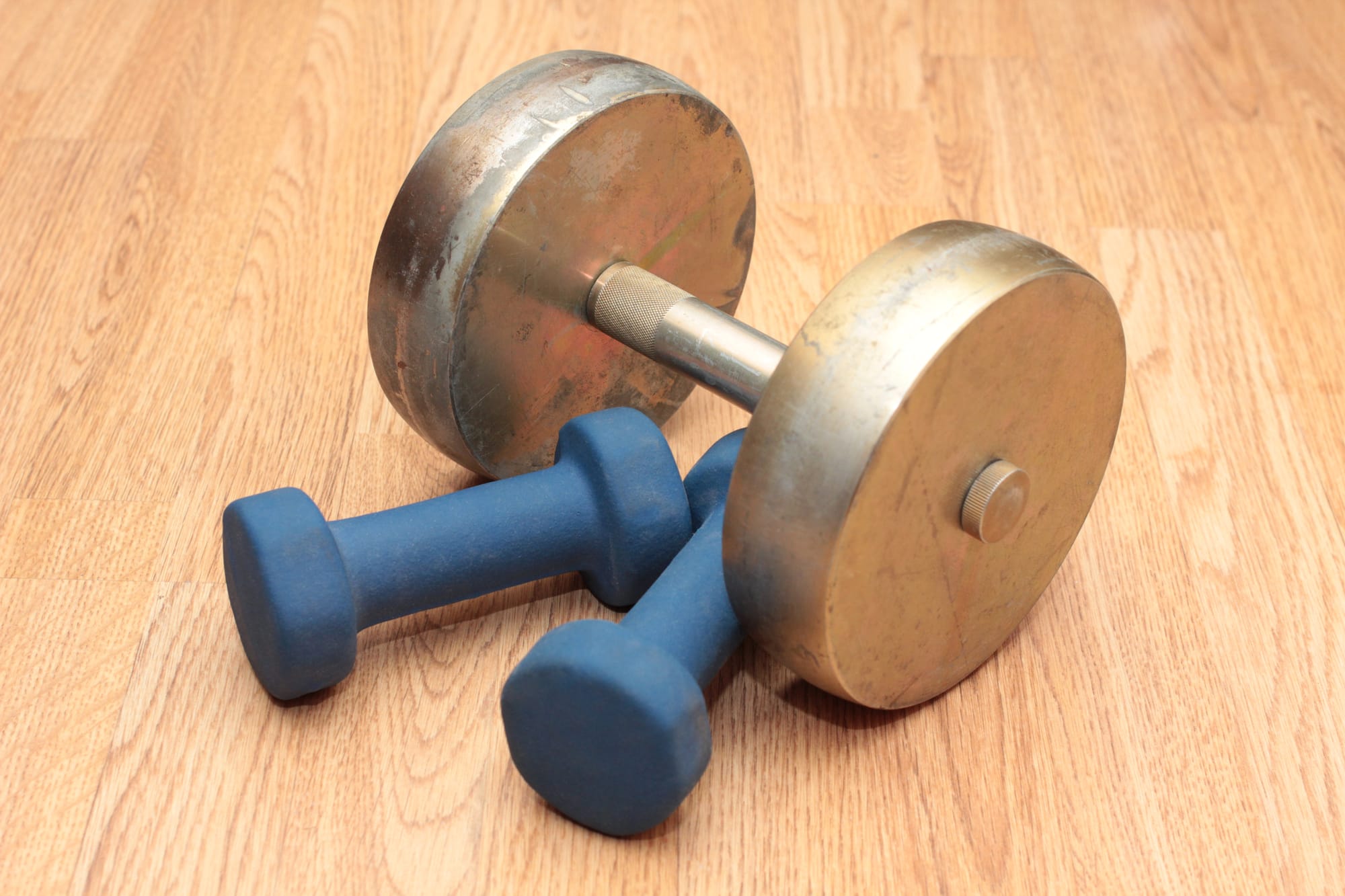
Many people start with two lifting days because it feels manageable, and this is a great starting point, two days of weightlifting and strength training will provide great results. However, once technique is safe and the body is adapting, moving to three weekly sessions is often the simplest upgrade for even faster results without the extreme work of 4-5 sessions a week, research actually shows the returns of 4 - 5 sessions a week compared to 2 - 3 sessions a week doesn’t add that much extra benefit, despite the additional work.
Below are 10 client focused reasons why training three times per week usually beats two, especially for general fitness, fat loss, strength, and muscle tone goals.
- 1) More high quality practice, faster technique improvement. Most strength gains early on come from better coordination and confidence with key patterns like squats, presses, hinges, and rows. Three sessions give you more frequent exposure, so cues stick sooner, form gets cleaner, and loads progress with less frustration. With two sessions, a full week can pass before you repeat a lift again.
- 2) Better weekly volume without marathon workouts. Results depend on doing enough challenging sets over time. With only two sessions, people often cram too much into each workout, which can drag intensity down and increase sloppy reps near the end. Three sessions let you spread volume across the week, so each workout stays focused, energetic, and time efficient.
- 3) More consistent muscle building signals. Resistance training increases muscle protein synthesis for a limited window. Hitting muscles three times weekly, either directly or through full body sessions, gives more frequent growth signals than two. For many clients, that extra stimulus is the difference between maintaining and actually building noticeable muscle tone.
- 4) Smoother recovery and less extreme soreness. Two day schedules often lead to larger doses per session, which can cause bigger soreness peaks. That soreness can reduce daily activity and motivation, especially for beginners. With three moderate sessions, the workload is distributed, soreness is usually more manageable, and you can keep moving well between workouts.
- 5) Easier progression with smaller jumps. Progress is rarely a straight line, but it helps to have more chances each week to add a rep, add a small amount of load, or improve range of motion. Three sessions create more opportunities for small wins. That momentum matters, particularly for clients who thrive on measurable progress.
- 6) Improved fat loss support through higher energy expenditure. Fat loss still depends on overall nutrition and consistency, but training frequency can help. A third session adds calories burned, improves training density over the week, and often boosts daily movement because clients feel more invested. It also supports maintaining muscle while dieting, which helps body composition look better.
- 7) Better schedule flexibility and fewer missed weeks. Life happens, travel, work deadlines, family events. If you plan two sessions and miss one, you lose 50 percent of your week. If you plan three and miss one, you still completed a strong week. For most clients, three days is a practical buffer that keeps progress steady over months.
- 8) More balanced programming with less compromise. With only two days, you may have to choose between upper body and lower body emphasis, strength and conditioning, or mobility work and accessory training. Three sessions allow smarter splits or full body plans that cover everything, including core, glutes, back strength, and injury resistant shoulders, without rushing.
- 9) Stronger habit formation and routine. Consistency is a skill. Training three times per week turns the gym into a regular part of your calendar, not an occasional task. Clients who train more frequently often report better sleep routines, improved food choices, and higher self accountability because fitness stays top of mind throughout the week.
- 10) Better long term joint and tissue resilience when dosed correctly. A well coached three day plan can actually be gentler than two very hard days because the per session stress is lower. Moderate, repeated loading helps tendons, ligaments, and supporting muscles adapt. This is especially helpful for clients returning from time off, managing minor aches, or building durability for sports and active hobbies.
How to make three days work in the real world
For most clients, a full body approach on three non consecutive days is the simplest starting point. Focus on a squat or leg press pattern, a hinge pattern, a push, a pull, and a carry or core movement each session. Keep the total hard sets reasonable, leave one or two reps in reserve on most sets, and progress gradually.
Bottom line
Two days per week can maintain health and build a base, but three days per week is often the sweet spot for strength, muscle, and consistency. It improves practice, distributes volume, supports recovery, and protects your progress when life disrupts the schedule.