Doing Nothing For Your Joints Has a Cost - The Problem Is, Most People Don't See It Until Years Later.
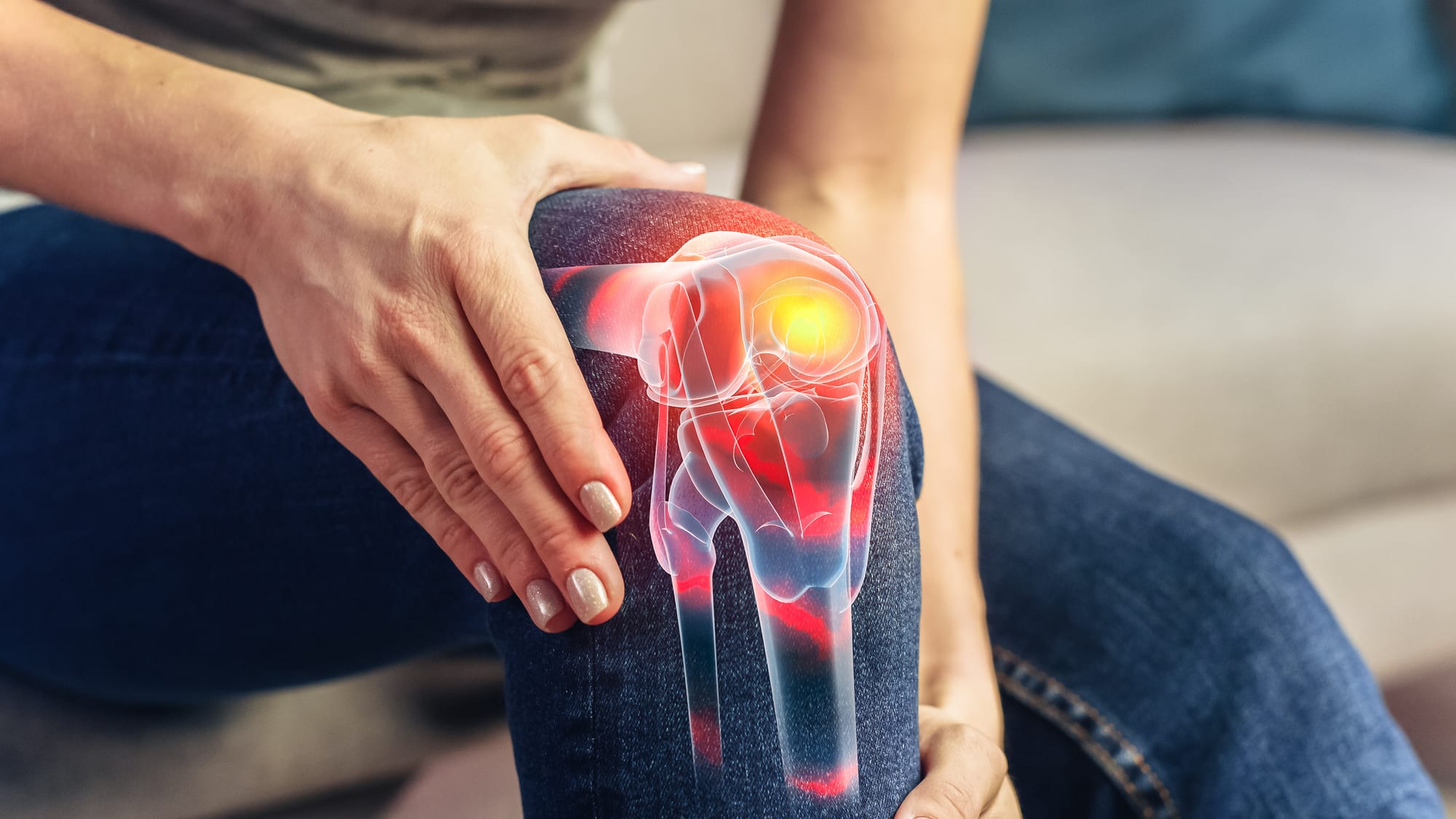
You are not “getting old”, you are getting underloaded. If your knees ache on stairs, your hips feel tight after sitting, or your shoulders complain every time you reach overhead, it is tempting to blame age, bad genetics, or a mysterious “inflammation problem.” Sometimes those factors matter, but a far more common, less discussed cause sits in plain sight, years of avoiding resistance training.
Here is the uncomfortable opinion. Many joint problems that people label as inevitable are actually the hidden price of delaying your body from strength work. You avoid lifting because you do not want to get hurt. Then your tissues become less tolerant to force. Then normal life starts to feel like force. The joint did not suddenly betray you, it simply stopped being prepared.
This is not a rant against cardio, yoga, walking or any other fitness class that don’t involve weights. Those are excellent tools. The problem is when they become a substitute for progressive loading, especially as you enter your thirties, forties, fifties, and beyond. Joints thrive on the right kind of stress. They do not thrive on permanent caution and avoidance.
Let us identify the real problem first. Your joints are not just hinges. They are complex structures that include cartilage, tendons, ligaments, joint capsule, synovial fluid, and the surrounding muscles that control movement. When you stop challenging that system, several predictable things happen:
1) Muscles stop doing their job, and joints pay the bill. Your muscles are shock absorbers supporters for your joints. Weak glutes can shift work to the low back and knees. Weak quads can make stairs feel like punishment. Weak rotator cuff and upper back muscles can turn reaching into a pinch. When muscles cannot create or control force, the joint surfaces and passive tissues must handle more stress than they were built for.
2) Tendons and ligaments lose capacity. Tendons adapt to load. They become stiffer and stronger when you train them, and they become more irritable when you give them too little meaningful work for too long. People often interpret tendon pain as proof that they should stop strength training. In reality, the pain is often proof that they need a smarter reintroduction of loading, not permanent rest.
3) Bone density drops, and the whole system gets fragile. If you are not training for strength, you are rarely training for bone. Bone responds to force. Avoiding resistance work for years can mean your skeleton gets less resilient, which can change how you move, how confident you feel, and how much you trust your body.
4) Your nervous system becomes threat sensitive. When you do not practice loaded movement, your body starts treating it as dangerous. Small stresses feel big. A normal squat feels “wrong.” A lunge feels risky. Your brain is trying to protect you, but it is using outdated information because you have not shown it safe, progressive exposure.
So why do so many people avoid resistance training? The reasons are understandable. Some have had a bad gym experience. Some think lifting is only for young people, athletes, or those chasing aesthetics. Others believe cardio is safer. Many were told, directly or indirectly, that lifting will “wear out” their joints. That idea sounds logical, but it ignores how human tissue adapts.
What joint pain often looks like in real life. If you recognize yourself here, you are not broken. You are simply underprepared for the loads of your own routine:
- Knee pain that appears during stairs, hiking, or getting up from low chairs.
- Hip tightness after sitting, plus a pinch when you squat or climb into the car.
- Low back soreness after chores, travel, or standing in one place.
- Shoulder pain with pressing, reaching, or sleeping on one side.
- Wrist and elbow irritation from desk work, gripping, or DIY tasks.
These are often capacity problems, not character flaws. Your joints are asking for support. The support is strength, control, and tolerance to load. The solution is not to never load them again. The solution is to rebuild your ability to handle load in a way that respects pain, movement quality, and progression.
The solution, build joint resilience with progressive resistance training. Notice the word progressive. The mistake that hurts people is not lifting weights. The mistake is doing too much too soon, copying a routine that was built for someone else, or chasing soreness as proof of success.
Think of joint health like saving money. Every smart training session is a small deposit into your joint “account.” Every time you skip strength work for months, you stop depositing. Then life makes a withdrawal, carrying groceries, playing with kids, a weekend hike, a sudden sprint to catch something. If your account is empty, the withdrawal hurts.
Here is an advice column style plan you can actually follow.
Step 1, stop treating pain as a simple “stop” sign. Pain is information, not always damage. Use a sensible traffic light system:
- Green, discomfort is 0 to 3 out of 10, does not change your movement drastically in the following 2-3 days, and settles within 24 hours. Continue the exercises.
- Yellow, discomfort is 4 to 6 out of 10, movement quality drops a bit, lasts longer than 24 hours. Adjust range, load, tempo, or exercise selection.
- Red, sharp pain, swelling, numbness, giving way, or pain above 6 out of 10. Stop that variation and get assessed.
Step 2, train the muscles that protect the joint you complain about. Joints rarely hurt in isolation. They hurt when the surrounding system fails to share load. Examples that tend to work well:
- For cranky knees, strengthen quads, hamstrings, glutes, and calves. Start squat patterns, leg press patterns, sit to stands, slow step ups, and hamstring curls.
- For sensitive hips, strengthen glutes and adductors with hip hinges, bridges, lateral work, and controlled squats in a pain free range.
- For irritated shoulders, train upper back and rotator cuff with rowing patterns, cable or band external rotation, and controlled pressing angles.
- For nagging low back, build a stronger hip hinge, stronger glutes, and a more capable trunk with deadlift variations, carries, and anti rotation work.
Step 3, use tempo and range of motion to make light weights effective. You do not need heavy loading on day one. A slow lowering phase, a pause, and a controlled rise can make a moderate dumbbell feel like serious work while keeping joints happy. Start with the range you can control without pinching or compensation, then earn more range over time.
Step 4, follow a minimum effective dose schedule. If you are currently avoiding strength training, the best program is the one you can stick with. A practical starting point:
- 2 to 3 strength sessions per week, full body.
- 4 to 6 basic movements per session, such as squat pattern, hinge pattern, push, pull, carry, and a core stability drill.
- 2 to 4 sets per movement.
- 6 to 12 reps for most lifts, with 2 to 4 reps left in the tank.
Step 5, progress slowly, but progress on purpose. Your joints respond to consistency more than hero workouts. Each week, improve one variable:
- Add a small amount of load.
- Add one rep per set.
- Add one set.
- Increase range of motion slightly.
- Improve control and reduce momentum.
Step 6, do not forget connective tissue timelines. Muscles can improve quickly. Tendons and joint structures often need more time. This is why you might feel stronger in a few weeks but still notice stiffness or irritation if you jump ahead too aggressively. Give your body a few months of steady work before you declare a program “not working.”
Step 7, pair strength training with movement snacks, not punishment cardio. If you sit all day, your joints can feel worse even if you train. Use simple breaks:
- 5 minutes of walking after meals.
- 60 seconds of gentle hip mobility between work blocks.
- A few controlled bodyweight squats to a chair.
- Light band pull aparts or arm circles.
What about the fear that lifting damages joints? Poorly planned training can irritate joints, just like poorly planned running can irritate joints. The answer is not avoidance, it is intelligent dosage and good technique. In practice, most people who feel joint pain from lifting are dealing with one of these issues:
- They increased load or volume too fast.
- They trained through high pain, then assumed lifting is the problem.
- They copied advanced routines without working within their own capacity.
- They never learned how to brace, hinge, squat, or press in a way that fits their body.
- They ignored sleep, stress, and recovery, which amplify pain sensitivity.
What to do if you already have a diagnosis. Arthritis, tendinopathy, disc issues, and prior injuries do not automatically disqualify you from resistance training. In many cases, they make it more important. The key is individualization, finding tolerable positions, managing range, and building capacity gradually. If you have swelling, instability, unexplained night pain, numbness, or symptoms that travel down an arm or leg, get medical guidance. Then use strength training as part of the long game.
How OGYM approaches this in the real world. In a private and well equipped home gym, it is easier to rebuild confidence because you are not performing for anyone. The goal is not to crush you. The goal is to make your joints trust you again. That usually means:
- Starting with movements you can do well today.
- Using simple tools, dumbbells, cables, bands, bodyweight, and controlled machines when appropriate.
- Tracking pain response and recovery, not just the weight on the bar.
A quick reality check, if you do nothing, what is the likely outcome? Most people do not become pain free by continuing to avoid load. They become more cautious, they move less, they lose more strength, and the circle tightens. The joint hurts, so you stop. You stop, so you weaken. You weaken, so the joint hurts sooner and with less provocation.
The opinion I will stand by. For most adults, resistance training is not optional if you want joints that feel good. It is a basic requirement, like brushing your teeth. You do not need extreme workouts, you need consistent, progressive loading that respects your current capacity.
Your joints are not fragile by default. They become fragile when you stop giving them reasons to be strong. Resistance training is not the enemy. Avoidance is often the hidden price you have been paying, and you can stop paying it starting now.